

How to Maximize Audio Experiences in Australia’s Heritage Hotels
Enhancing Guest Experience
As a technology integration specialist working in Melbourne, it's essential to craft experiences that keep guests at the heart of your mission. A well-thought-out soundscape can significantly elevate the atmosphere of any hospitality environment, be it a bustling hotel lobby or an intimate dining venue. Connecting with your audience through audio can transform a visitor's stay from ordinary to memorable.
Curating Unique Soundscapes
Creating an engaging sound environment starts with selecting the right equipment. Investing in reliable professional microphone setups is crucial for delivering clear audio during live performances or announcements. Consider the ambience you wish to create and choose music or sounds that align with your venue's identity. The use of induction loop systems can cater to guests with hearing aids, ensuring inclusivity without compromising on your audio quality. These details might seem small, but they can greatly enhance a guest's overall experience.
Integrating Seamless Audio Systems
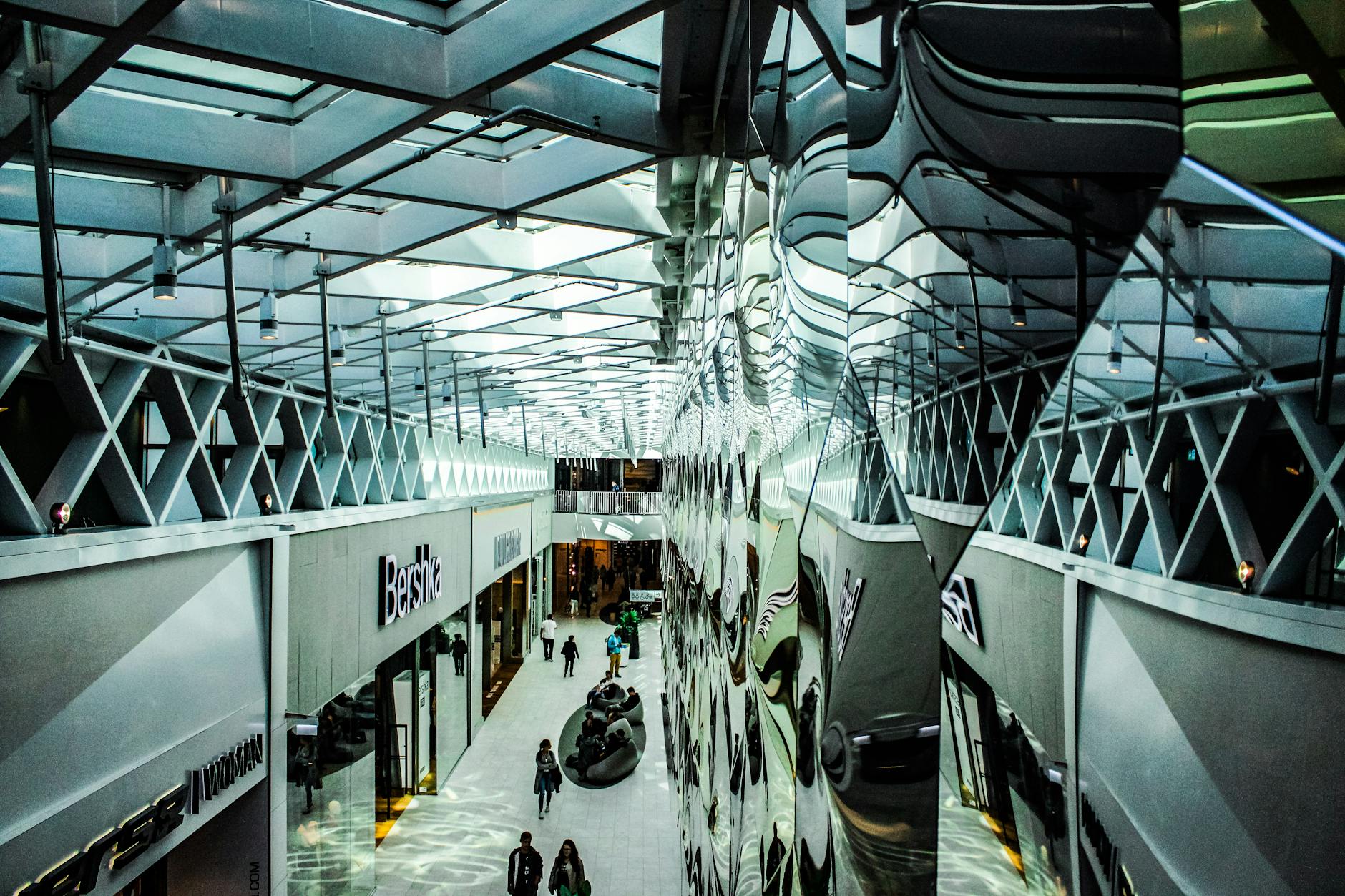
When integrating audio systems, compatibility with existing AV infrastructure is non-negotiable. Ensure that av cables are efficient and support all your audio needs, whether for background music or conference presentations. The way these systems blend into the décor and technology of your space should appear effortless. In the grand spaces of the Melbourne Convention and Exhibition Centre, the execution of seamless audio integration shows its transformative power.
Leveraging Feedback for Improvements
Finally, never underestimate the value of feedback in refining your audio offerings. Engaging closely with guest experiences—through surveys or direct comments—provides valuable insights into what's working and what needs adjustment. Use these insights to continually tweak and perfect the soundscape, ensuring that each guest encounter is as harmonious as possible.
Audio System Integration
Syncing with Existing Infrastructure
When considering the integration of new audio systems, it's crucial to ensure they align with your current infrastructure. As a technology integration specialist in Melbourne, I've found that blending state-of-the-art systems with existing setups requires careful planning. At the heart of this integration are pro audio equipment and effective broadcast solutions. By streamlining these components, one can maintain the harmony and efficiency crucial for hospitality environments.
Ensuring User-Friendly Interfaces
One of the most significant challenges is implementing technology that is not only advanced but also intuitive. The aim is to equip your team with systems that enhance operations without adding complexity. Opting for user-friendly interfaces ensures that staff can manage these systems with minimal training, ultimately leading to smoother guest experiences. Prioritise systems that offer simplicity in operation, which can be especially beneficial in bustling settings like the Melbourne Convention and Exhibition Centre.
Prioritizing Reliability and Stability
Reliability and stability should be at the forefront when integrating new audio technology. Given the fast-paced nature of the hospitality industry, consistent system performance is non-negotiable. A robust setup can prevent disruptions and ensure seamless operations. It's vital to select equipment and solutions that demonstrate proven reliability, thus safeguarding the hotel's reputation and enhancing customer satisfaction. This approach empowers hospitality professionals to focus on delivering exceptional service, with the reassurance that their audio systems will support their goals efficiently.
Optimizing Conference Rooms
Acoustic Design Principles
When it comes to enhancing conference room experiences, considering acoustic design principles is vital. As a hospitality technology manager, balancing aesthetics with functionality is crucial. One key aspect is selecting the right audio equipment, like sound-absorbing panels and diffusers, to ensure clarity and minimise unwanted echoes. Proper placement of speakers and microphones can dramatically improve audio quality, providing a seamless experience for all attendees.
Configuring for Flexibility and Functionality
Flexibility in conference rooms can greatly contribute to customer satisfaction. By incorporating a range of monitors for video conferencing, you can accommodate both small and large gatherings, adjusting seating and technology configurations as needed. Integrating modular furniture that can be easily reconfigured enhances both the physical and technological flexibility of the space. This approach ensures that every event, from intimate meetings to large seminars, can be executed efficiently.
Selecting Equipment for Professional Use
The choice of professional-grade equipment is imperative. Whether it's projectors, monitors, or audio systems, opting for high-quality, reliable technology can set the standard for your venue's reputation. Consider features like easy connectivity options and compatibility with various devices to provide a user-friendly experience. As we design conference rooms, drawing inspiration from innovative precincts, like those found in Carlton, helps us blend traditional elements with cutting-edge technology.
Incorporating these strategies will not only elevate the functionality of your conference rooms but also leave a lasting impression on your guests.
Innovative Technologies
Implementing Smart Audio Solutions
Incorporating smart audio solutions in hospitality settings is essential for creating an engaging environment that meets the expectations of modern guests. As a technology integration specialist, I often recommend mesh radios as they offer flexible and robust communication channels within large spaces. This technology is particularly advantageous in enhancing coverage and ensuring seamless connectivity across various areas within venues like the Melbourne Convention and Exhibition Centre.
Future-Proofing with Scalable Systems
When aiming for long-term success, hospitality professionals must consider scalable audio solutions that can adapt to future needs. Implementing paging systems, for instance, allows for efficient communication and can integrate with existing systems to accommodate expansion. Scalable systems help ensure that new technologies can be seamlessly adopted without disrupting current operations, a key factor in maintaining the smooth functioning of conference rooms and public spaces.
Enhancing Accessibility Features
Enhancing accessibility through technology not only caters to diverse guest needs but also reflects a commitment to inclusivity. By focusing on these solutions, you can enhance user experiences while aligning with insights gathered from industry expert consultations and trade shows. Embracing accessible technology is crucial for sustaining a reputable image and ensuring that all guests feel welcomed and valued during their stay.
Elevating Hospitality with Best Practices
Regular Maintenance for Longevity
Consistent maintenance is the backbone of any durable audio system, especially in high-traffic areas like the heritage hotels in Docklands. To keep these systems functioning optimally, I recommend establishing a detailed maintenance schedule. This includes regular checks of connections, software updates, and prompt replacement of any faulty components. Leveraging the resources at the Melbourne Convention and Exhibition Centre, where technology upkeep is paramount, can provide valuable insights into efficient maintenance routines.
Mastering Staff Training
Training staff to confidently navigate new audio systems is essential. By investing in comprehensive training programs, hospitality professionals can ensure that every team member is equipped to create seamless experiences for guests. It’s beneficial to conduct hands-on workshops, possibly in partnership with technology integration tips from the innovation precincts in Carlton. Such training helps staff stay updated with any technological advancements, fostering a culture of innovation.
Continuous Performance Monitoring
To ensure that guest experiences remain uninterrupted, implementing a continuous monitoring system is critical. This involves using advanced diagnostics to keep a watchful eye on potential issues before they affect operations. With technologies rapidly evolving, being proactive and staying informed about emerging trends can significantly enhance system reliability. Consistent monitoring not only prevents disruptions but also extends the lifecycle of audio equipment.
In conclusion, by adhering to these best practices, the integration of advanced audio technologies can yield invaluable benefits for the hospitality sector.